Ghost mannequin photography: why the shot you did not take is why it looks wrong
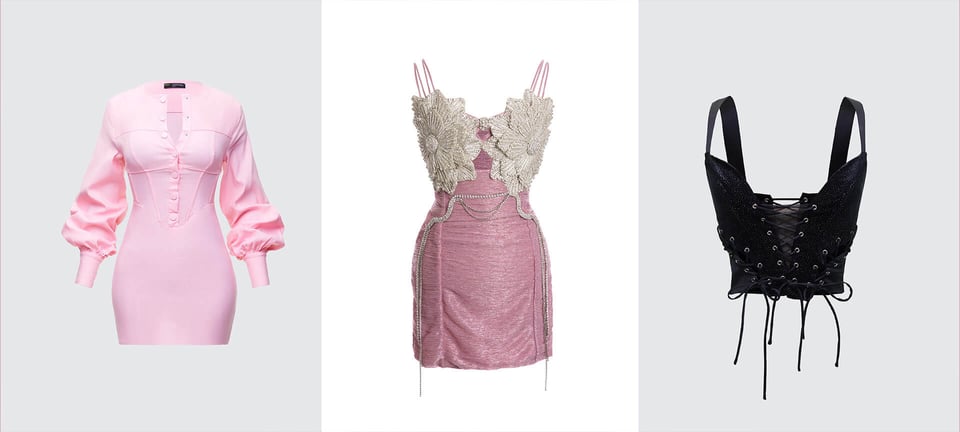
If you sell apparel online, someone has quoted you 89 cents an image for ghost mannequin. You may also have had work come back where the collar floats, the interior looks pasted in, or the whole garment looks wrong in a way you can't quite place.
Those two facts are related, though not in the way you might expect. The problem is usually not the retoucher's skill. The photograph they needed was never taken, and nobody told you.
Most ghost mannequin problems start in the photography and only show up in the retouching. Vendors who sell only the editing have no reason to tell you that, because it means admitting the file you sent them cannot be finished properly.
What ghost mannequin actually is
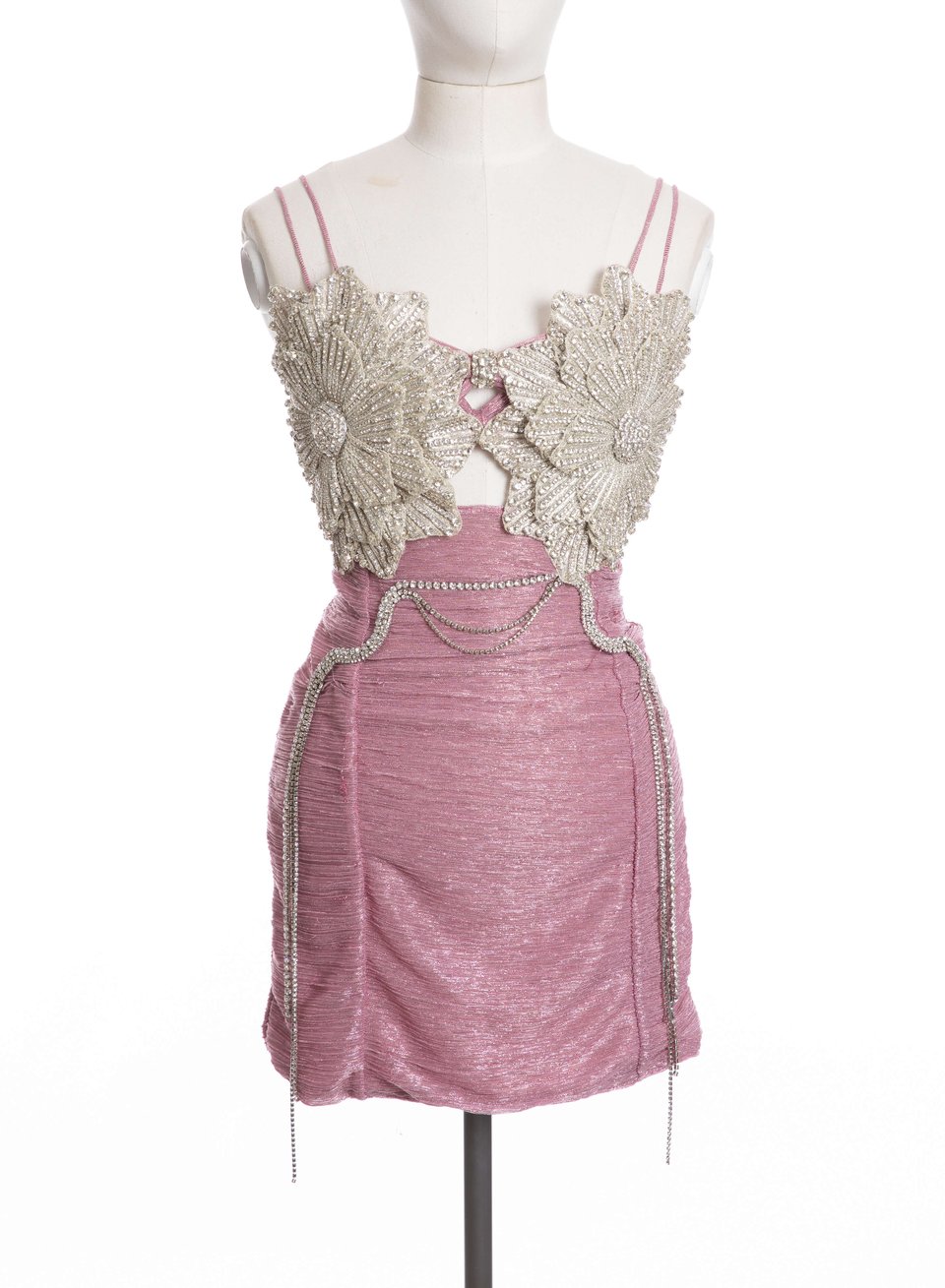
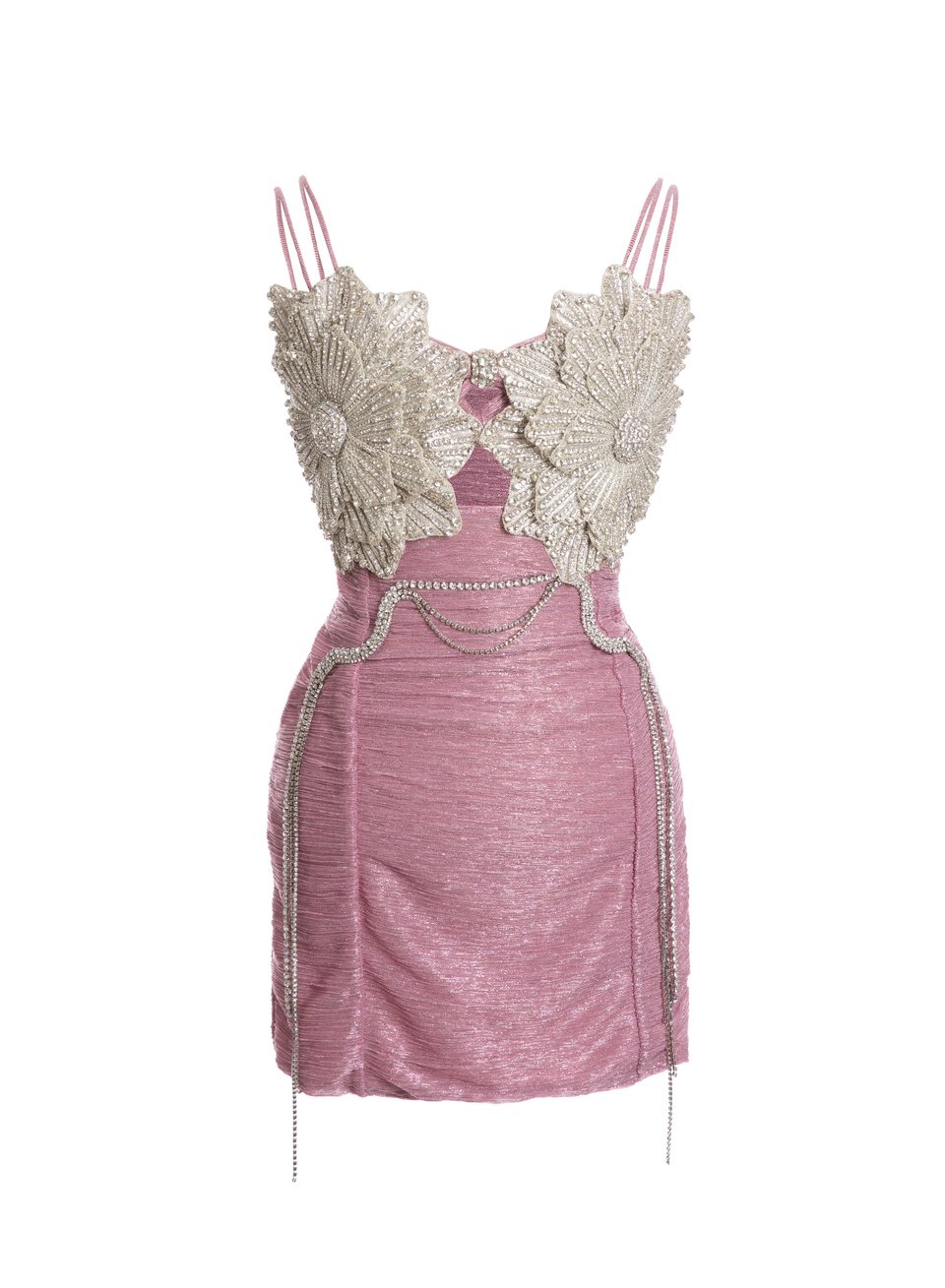
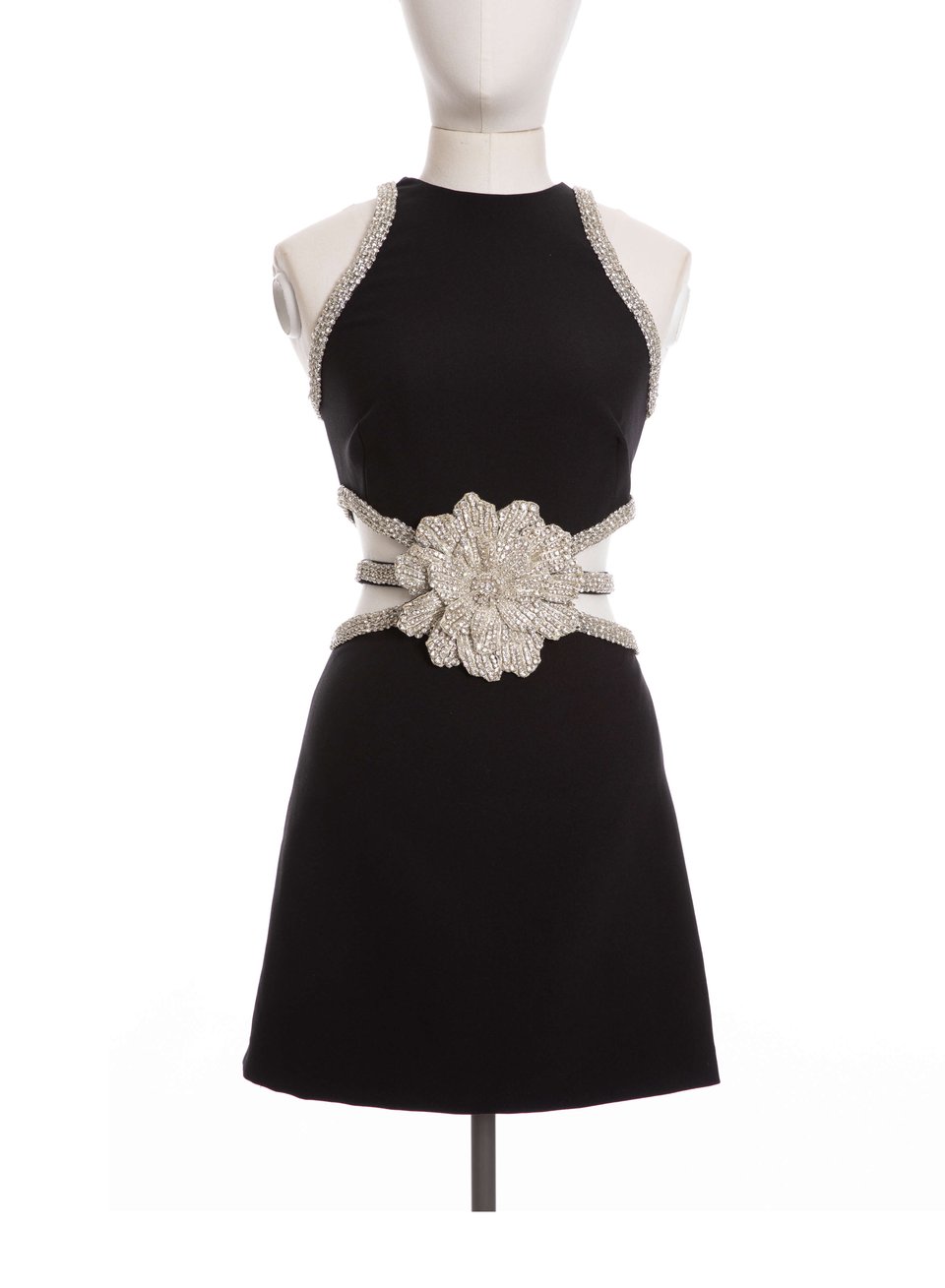
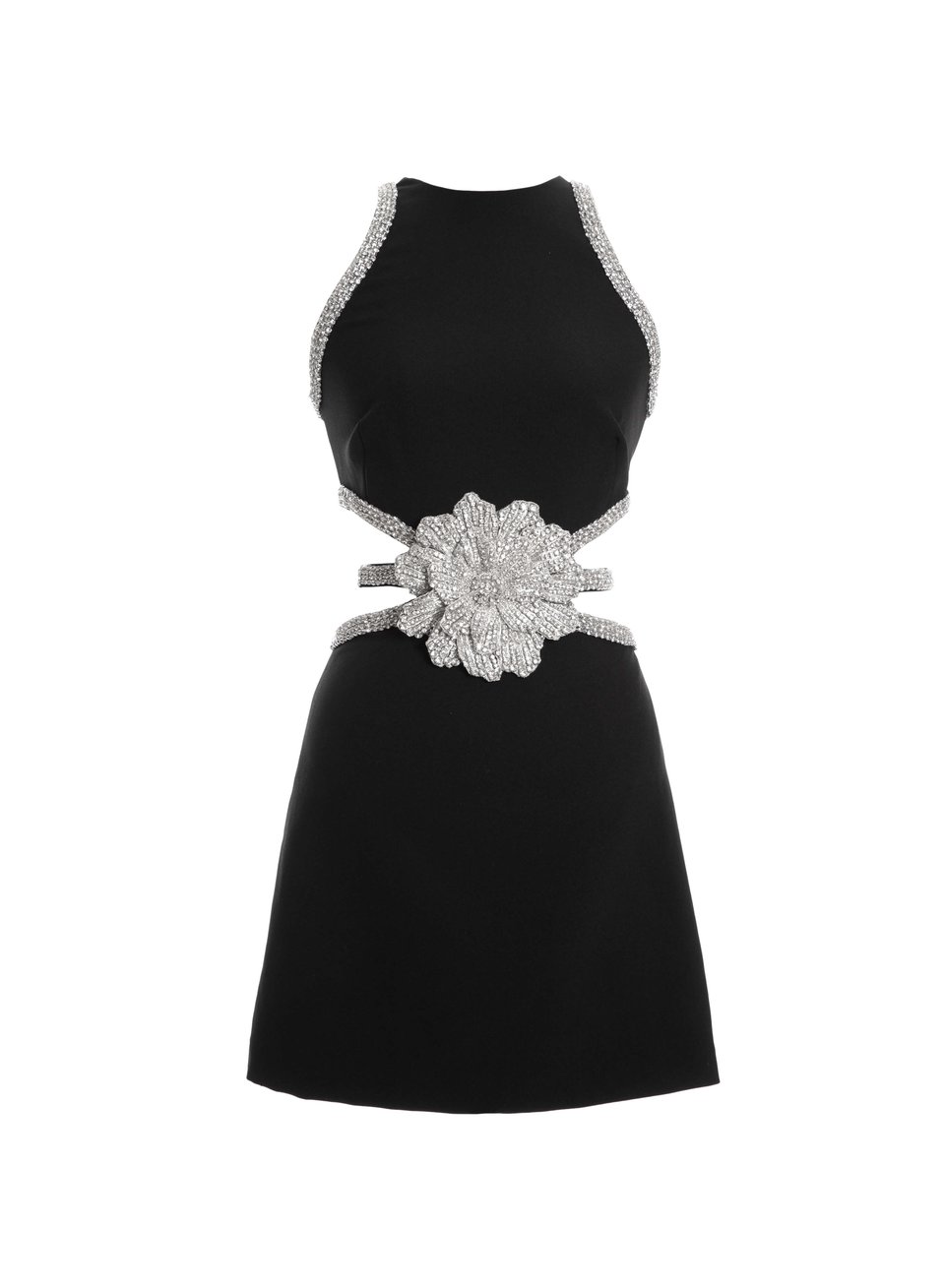
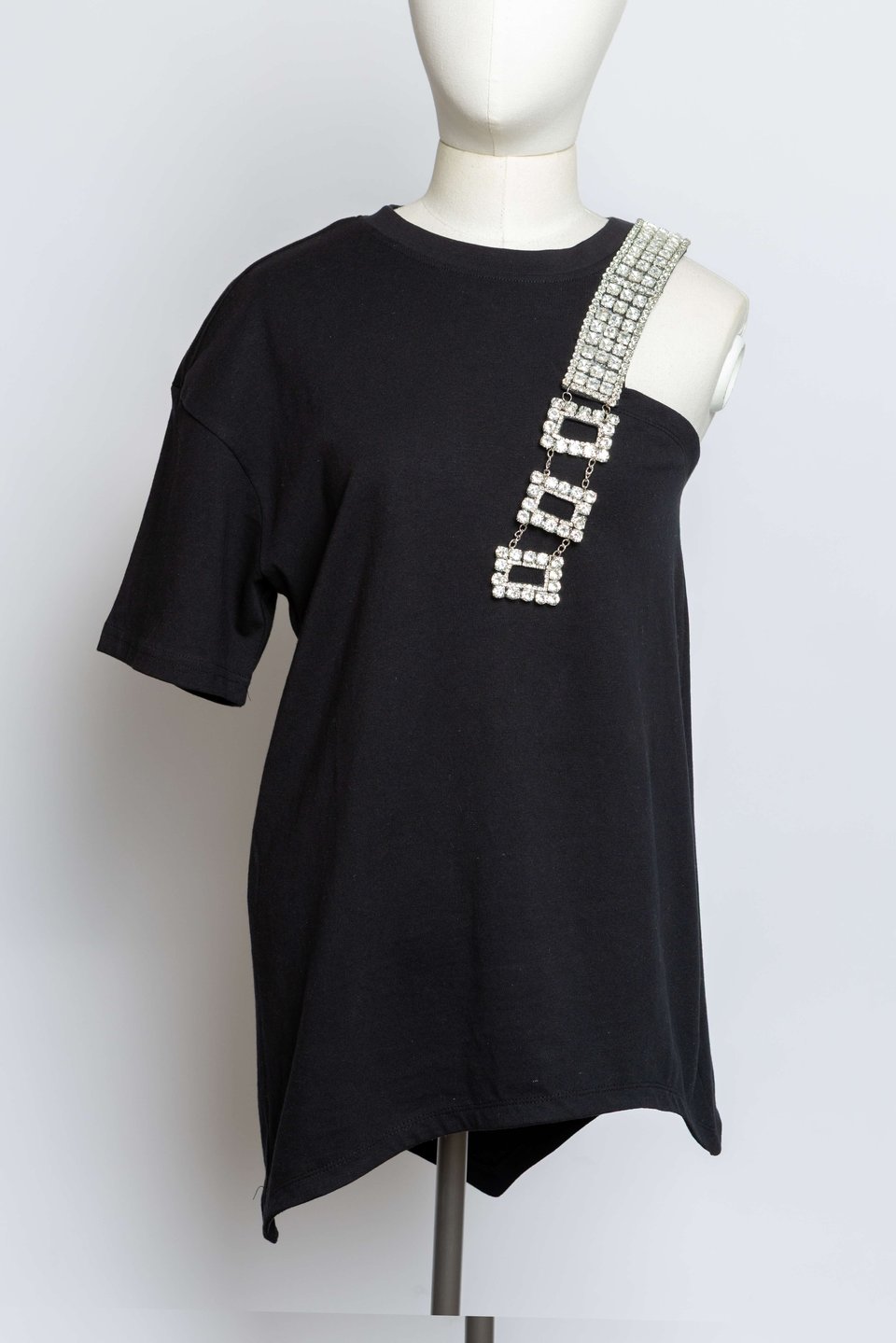
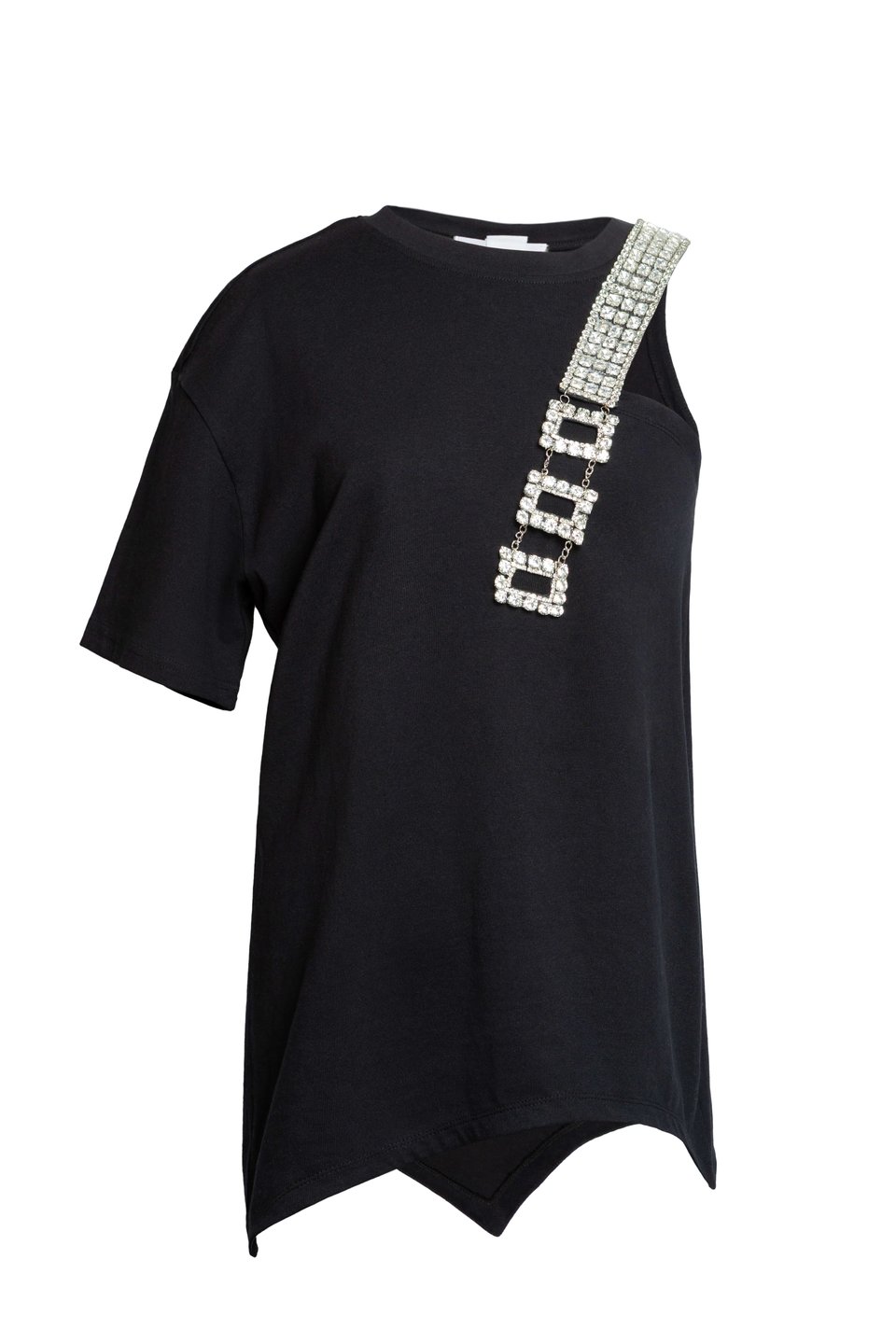
Ghost mannequin, also called invisible mannequin or hollow man, is a product image where the garment holds a three-dimensional worn shape with nothing visible inside it. No model, no mannequin, no stand.
It exists because the alternatives are worse. A flat lay shows the fabric but not the fit. A visible mannequin dates the image and pulls attention to the prop. A model looks great, but costs 10 times more, needs releases and cannot be reshot cheaply when the colorway changes.
Ghost mannequin sits between them. It shows shoulder line, drape and volume, it is cheap to repeat across a catalog, and it looks consistent across hundreds of SKUs. That consistency is why it dominates apparel e-commerce.
It is two photographs, not one
Most brands don't know this, and everything else in this article depends on it.
A ghost mannequin image is a composite of at least 2 exposures:
- The main shot. The garment on the mannequin, styled, lit and shot as normal.
- The interior shot. The inside of the garment, usually the back of the neck, photographed separately. Either the garment is turned over or laid on a board with the front neckline folded down, or the mannequin's removable chest panel comes out so the inside collar can be shot in place.
The retoucher removes the mannequin from the main shot, which leaves a hole at the neck, and fills that hole with the interior shot. You then see the inside back of the collar exactly as you would if someone had just taken the garment off.
If there is no interior shot, the retoucher has three options, all bad. Cloning the interior from another part of the garment gets the fabric direction wrong. Borrowing it from a different garment gets the color and the label wrong. Painting it looks painted.
So the most useful thing you can do for ghost mannequin quality costs nothing and happens on set. Take the interior shot.
Take it under the same light, too. Same position, same modifiers, same white balance. If the interior was shot in different light, the composite has a seam that retouching cannot fully hide, because two lighting conditions have to meet along a curve.
The neck joint is where it fails
The composite at the collar is called the neck joint. It is the most technically demanding step in the process, and it is where everyone looks first.
What goes wrong, in order of how often we see it:
- Perspective mismatch. The interior was shot from a different height or angle than the main frame, so the inside back of the collar faces slightly the wrong way. The garment looks like it is turning its head.
- Color and exposure mismatch. The interior was shot under different light. The inside reads slightly warmer or darker than the outside, and the composite shows.
- Missing or invented shadow. The inside of a garment is a cavity, so there should be an occlusion shadow where the collar meets the body. Without it the collar floats. With too much it looks like a hole.
- A mask that cuts through texture. On knitwear, terry or anything with a raised surface, a clean vector-style path across the neckline cuts the fibers and the edge looks like cut paper. The mask has to follow the texture, not cut across it.
- Lost symmetry. Mannequins are symmetrical and garments are not. Forcing a real shoulder into perfect symmetry makes the garment look computer-generated. Under-correcting leaves the mannequin's shape on a garment that never had it.
What else needs an interior shot
Necklines are the obvious case. Brands tend to forget the ones below, and those are the files that come back as revisions:
- Open jackets, cardigans, robes. The whole inside front is visible. That is a much bigger interior area than a collar and needs its own frame.
- Cuffs on structured sleeves. If the sleeve opening reads as a hole, the cuff needs an interior shot too.
- Vents and side splits. Wherever the garment opens, the viewer expects to see inside it or through it.
- Hems on stiff garments. Coats and outerwear hold an opening at the bottom that a soft tee does not.
- Anything sheer. With sheer fabric the mannequin shows through the fabric itself, not only at the openings. Agree how to handle sheer garments before the shoot, not after.
How to check a ghost mannequin file
Open it at 100% and look at 5 things. It takes 2 minutes per image and catches nearly everything:
- The neck joint seam. Follow it all the way around. Any hard edge, halo or color step is a fail.
- The interior perspective. Does the inside of the collar belong to this garment at this angle, or does it look borrowed?
- The occlusion shadow. Is there a soft shadow where the interior meets the outer shell? A floating collar is the most common giveaway.
- Texture at the mask edge. Zoom to 200% on the neckline of any textured fabric. Fibers should cross the edge, not stop at it.
- The shoulders, side by side with the real garment. Symmetrical enough to look intentional, asymmetrical enough to look real.
Can AI do ghost mannequin now?
Partly. Several vendors now sell AI ghost mannequin as if the question were settled, so the details matter.
AI does well on the easy 70%: simple crew-neck tees, plain cottons, high-contrast garments on clean backgrounds, with the interior shot present and well lit. On those it is fast and cheap, and we use it ourselves.
It fails in the same places human retouchers find hardest, and for a more basic reason. A model cannot recover information that was never captured. Without an interior shot, AI does not reconstruct the inside of your garment. It generates a plausible inside of some garment, and on a product page that image is a claim about a product you are selling.
It also struggles with sheer fabric, complex prints that must line up across the neck joint, deep pile, and any garment where the right result depends on how that specific fabric behaves.
We work AI-accelerated and human-verified. AI does the repeatable passes, and a person makes the ship decision on every file. Ask any vendor that leans on AI what happens when the model gets it wrong at volume, and who checks.
The volume question
Ghost mannequin is rarely a 20-image job. It is a catalog format, so it depends on consistency across hundreds of SKUs shot over weeks.
For Finesse we have run 15,436 images across 152 production batches since October 2023, a large share of it ghost mannequin.
At that scale the hard part is holding one standard across the whole run: the same neck-joint treatment, shadow density and interior brightness on batch 140 as on batch 4. That is a process problem, and it is why per-image pricing built around a single hero shot tends to fall apart by the third delivery.
Frequently asked questions
What is ghost mannequin photography?
A product photography and editing technique. The clothing is photographed on a mannequin, the mannequin is removed in post, and the garment keeps a three-dimensional worn shape with a visible interior at the neck. It is also called invisible mannequin or hollow man.
How many photographs does one ghost mannequin image need?
At least 2: the main shot on the mannequin, and a separate interior shot of the inside back of the neck. Garments that open at the front, cuffs and hems need more interior frames. Complex outerwear can need 4 or more.
Do I need a special ghost mannequin to shoot it?
No, but it helps. A mannequin with a removable chest panel lets you shoot the collar interior in position under identical light, which gives a cleaner composite. Without one, lay the garment on a board in the same spot with the neckline folded down, and leave the lighting untouched.
What does ghost mannequin editing cost?
Garment complexity drives the price far more than volume does. A plain tee and a lined wool coat with an open front are different jobs. Prices advertised under a dollar per image are set for the plain tee and assume the interior shot exists. Ask what the quote includes when it doesn't.
Can AI do ghost mannequin editing?
For simple garments with a proper interior shot, mostly yes. For sheer fabrics, aligned prints, heavy textures or any file missing its interior shot, no, because the model generates a plausible interior instead of reconstructing the real one. Someone still has to decide which files fall into which group.
Why does my ghost mannequin image look fake?
In our experience it is almost always one of four things: no interior shot, an interior shot taken under different light, a missing occlusion shadow at the collar, or a mask that cut through the fabric texture. The first two happen on set and cannot be fully fixed afterwards.
The short version
Ghost mannequin quality is decided on set, before the retoucher opens the file. Take the interior shot, under the same light, for every opening in the garment.
Planning a ghost mannequin shoot, or fixing files that keep coming back wrong? Talk to us.